No Resilience Without Safety
Why climate finance must invest in SGBV prevention, HIV counseling, and the safety of young women leading climate action.
“As Girls for Climate Action expands its movement in Nebbi, Kasese and Gulu, one message is clear for climate financiers: climate action cannot be truly resilient if young women are not safe, supported, informed, and able to access trusted counseling and referral services.”
Climate finance has become fluent in the language of seedlings planted, young people trained, enterprises launched, and communities reached. These indicators matter. But in communities where climate shocks are also reshaping safety, health, mobility and livelihoods, they are not enough.
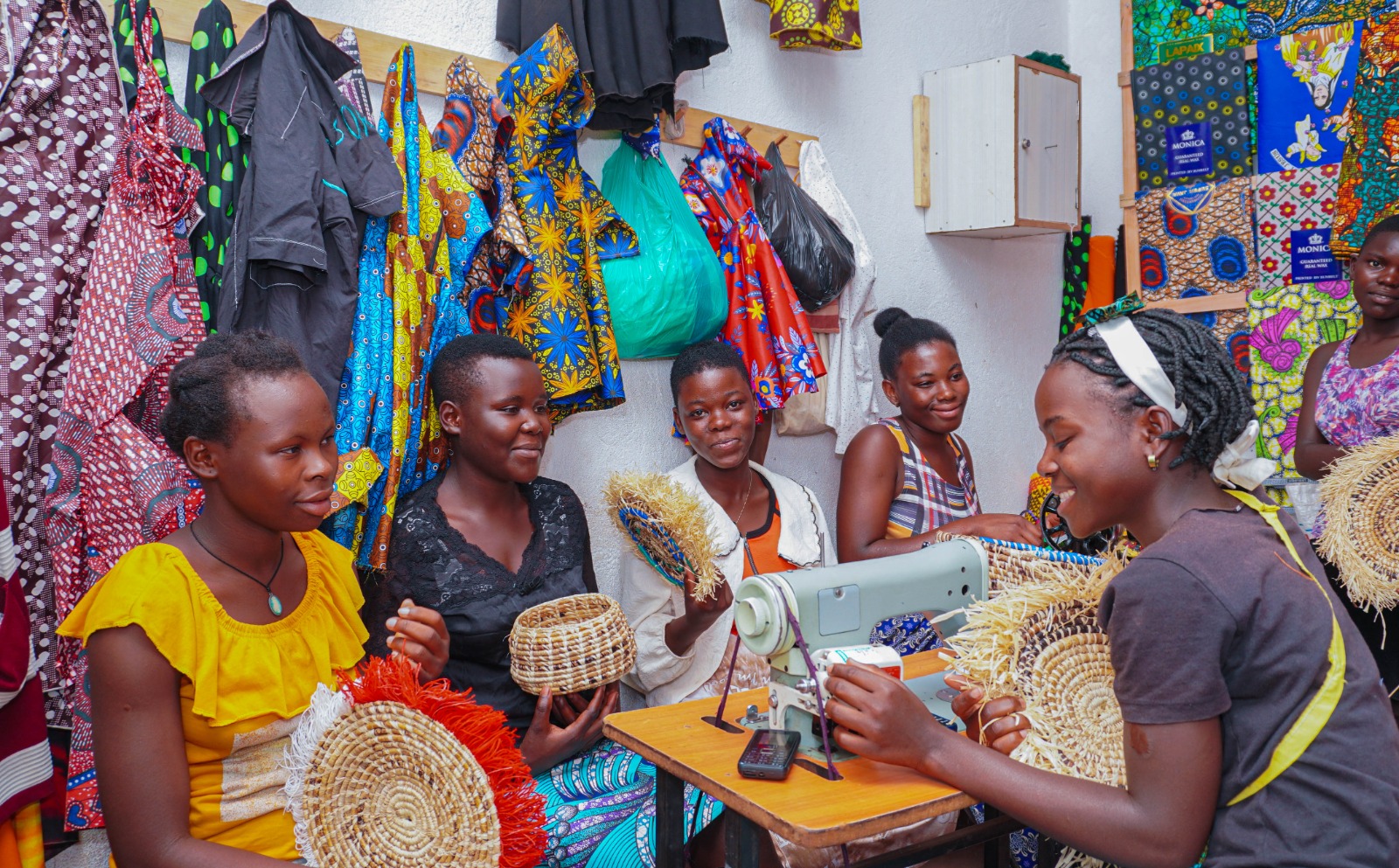
A climate programme can support a young woman to start a green enterprise, join a climate resilience hub, advocate for environmental justice, or lead a community solution. But she cannot lead fully if violence, trauma, stigma, untreated health concerns, or fear of HIV are silently following her into the training room.
As Girls for Climate Action (G4CA) expands its climate action movement across Nebbi, Kasese and Gulu — with support from UNDP — the question for climate funders is no longer whether sexual and gender-based violence (SGBV) and HIV counseling fit within climate action. The question is whether climate action can succeed without them.
The Evidence Is Hard to Ignore
| 63% | of new HIV infections in sub-Saharan Africa in 2024 were among women and girls. Source: UNAIDS, 2024 |
| 4,000 | adolescent girls and young women aged 15–24 acquired HIV every week globally in 2024. Source: UNAIDS, 2024 |
| 0.04% | of climate-related development assistance had gender equality as a primary objective. Source: Spotlight Initiative, 2025 |
| 1 in 5 | girls or women is exposed to gender-based violence during climate-related disasters. Source: Uganda Rapid Response Brief |
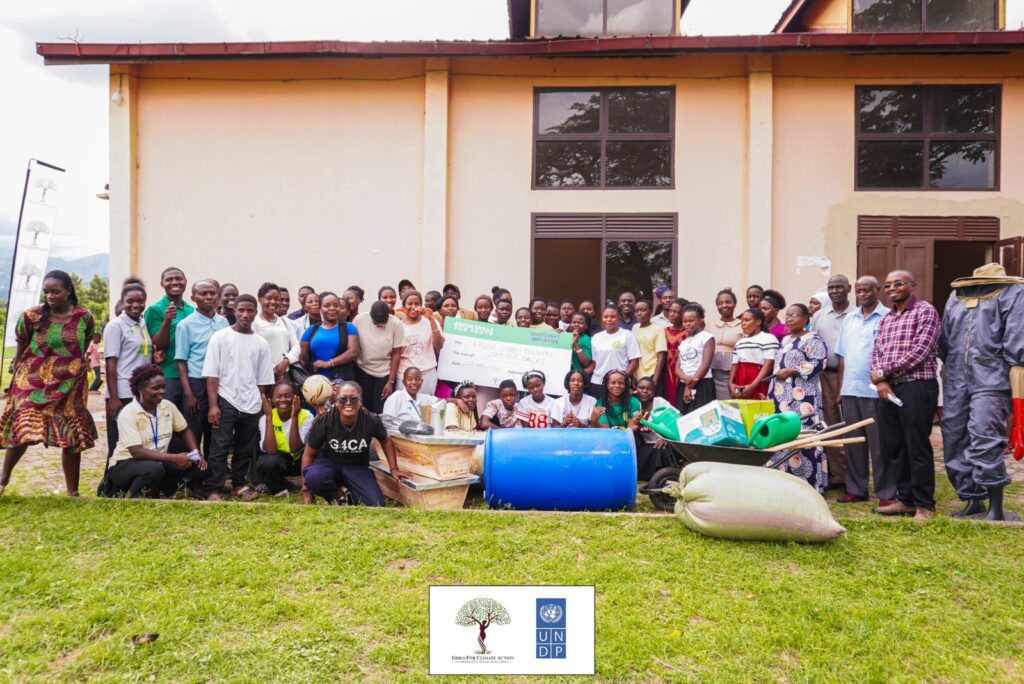
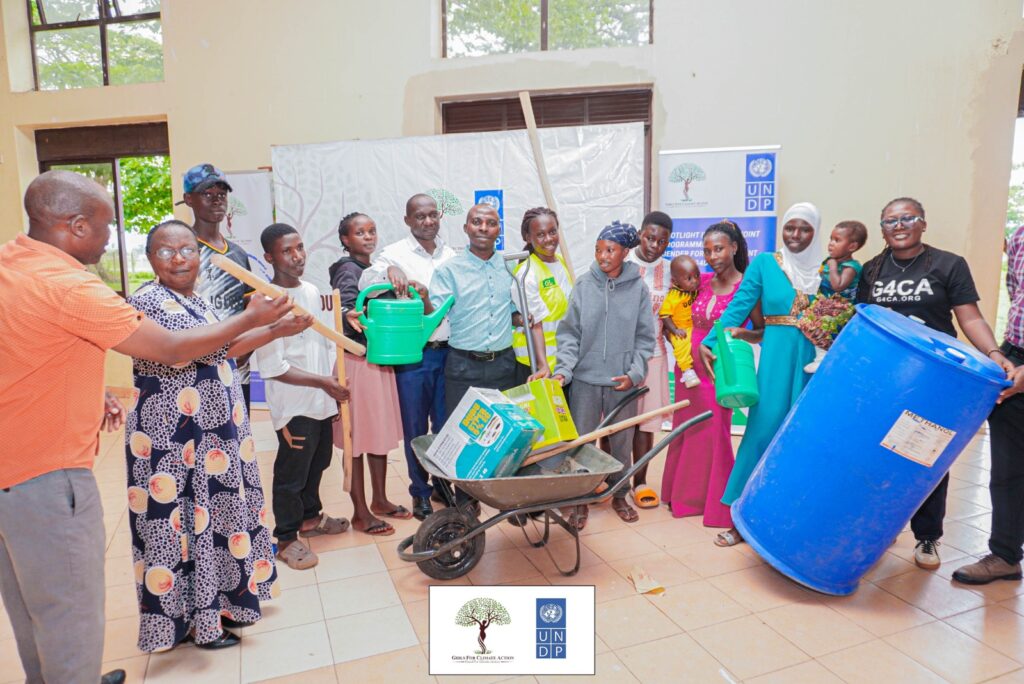
Climate Change Is Also a Social Crisis for Young Women
Climate change is often described through physical impacts: floods, droughts, heat, crop loss, water stress and damaged infrastructure. For young women and girls, however, these impacts are also social. A flooded road can become a barrier to healthcare. A failed harvest can become household tension. A long search for water or income can become exposure to harassment, exploitation, or violence.
This is why G4CA’s feminist climate justice lens matters. The movement already recognises that young women and girls are not only affected by climate change — they are central to the solutions. To protect their leadership, climate action must also protect their bodies, choices, dignity, and access to care.
The Spotlight Initiative’s 2025 issue brief on climate and violence against women and girls documents this connection clearly: climate change and violence are deeply linked, and violence undermines women’s and girls’ agency to drive climate action. SGBV is not a separate “social issue” sitting outside climate work. It is a direct barrier to participation, leadership, livelihoods and resilience.
What Kasese Teaches Us
Kasese offers a powerful, lived reminder of why climate action must include protection and counseling. Flood-affected communities in the district have experienced displaced families in congested camps, damaged roads and bridges, overwhelmed health services, and women and children facing heightened protection risks.
In one account, more than 4,500 people, the majority women and children — were reported to be living in difficult camp conditions and facing the ever-present risk of gender-based violence. Another account described how Kilembe Mines Hospital was submerged and relocated after floods, leaving residents to travel long distances for health services.
These are not abstract climate impacts. They are lived realities that affect whether women and girls can access counseling, maternal care, HIV services, safe reporting pathways and psycho-social support. G4CA’s presence in Kasese running green skilling, enterprise development, and community engagement — exists inside this reality. The young women in our programmes are not insulated from it. They carry it.
“When climate shocks disrupt livelihoods and services, the cost is not only environmental. It is emotional, bodily, social and economic. A climate response that restores livelihoods while ignoring trauma, violence and HIV risk leaves young women carrying the heaviest part of the crisis alone.”
Why HIV Counselling Belongs in Climate Action
HIV counselling belongs in climate action because climate vulnerability and HIV vulnerability often meet in the same places: poverty, displacement, disrupted services, limited information, stigma, unequal power in relationships, and exposure to violence or exploitation.
UNAIDS has warned that violence and the threat of violence can increase the vulnerability of women and girls to HIV including by making it difficult to negotiate safer sex, disclose HIV status, seek testing, or access prevention, care and treatment. WHO also notes that violence can negatively affect women’s physical, mental, sexual and reproductive health, and may increase HIV risk in some settings.
This is especially urgent for adolescent girls and young women. In 2024, UNAIDS estimates that 3,300 of the 4,000 weekly adolescent HIV infections globally occurred in sub-Saharan Africa. For climate actors working with young women in Uganda, HIV counselling is therefore not an optional extra. It is part of responsible, gender-responsive programming.
What Climate Budgets Should Fund
Climate finance should not only fund the visible outputs of climate action. It should also fund the conditions that make those outputs sustainable. For young women, those conditions include safety, bodily autonomy, psychosocial support, access to HIV information and referral pathways, and survivor-centred systems that do not expose them to further harm.
In practical terms, this means climate budgets should include dedicated line items for:
- SGBV prevention and response programming
- HIV counselling, testing referrals and peer support groups
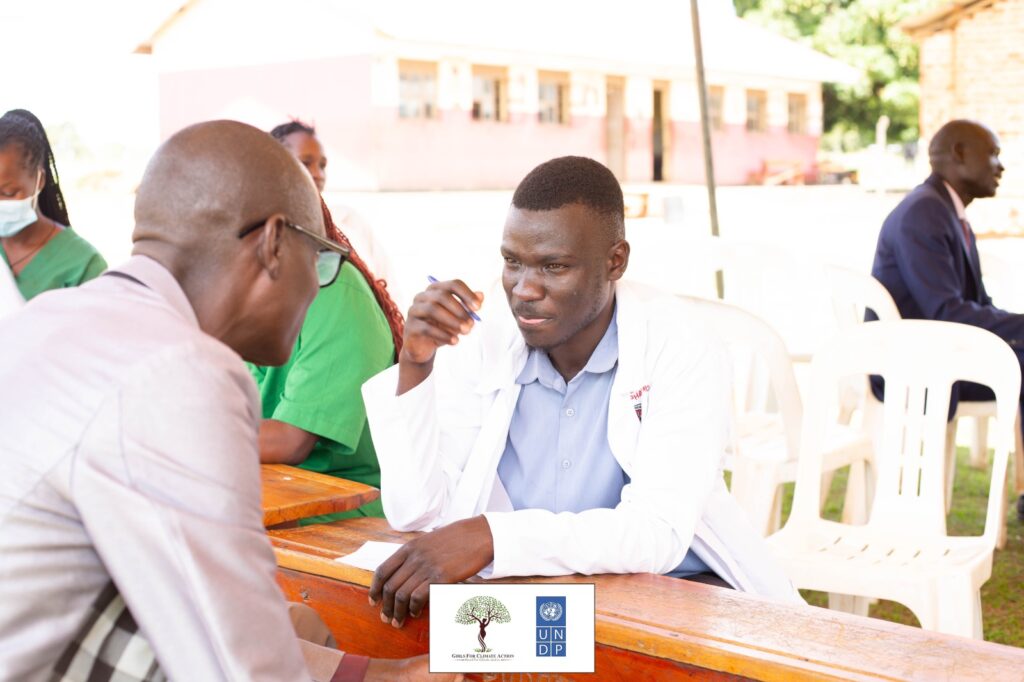
- Trained counsellors embedded within or linked to climate programmes
- Safe transport for referrals and confidential reporting mechanisms
- Partnerships with local health and protection service providers
For funders, this is not mission drift. It is impact protection. When young women are safer and better supported, they are more likely to stay in programmes, lead groups, sustain enterprises, mentor peers and speak publicly about climate justice. When counselling is missing, climate investments risk losing the very people they are designed to empower.
A Call to Climate Financiers
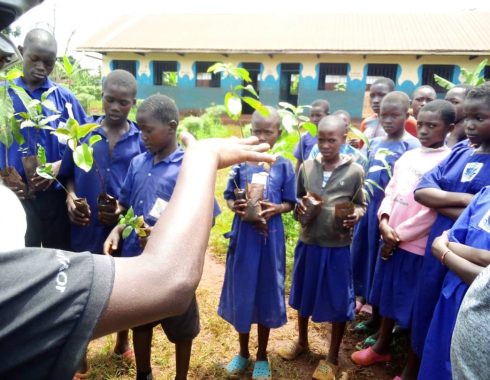
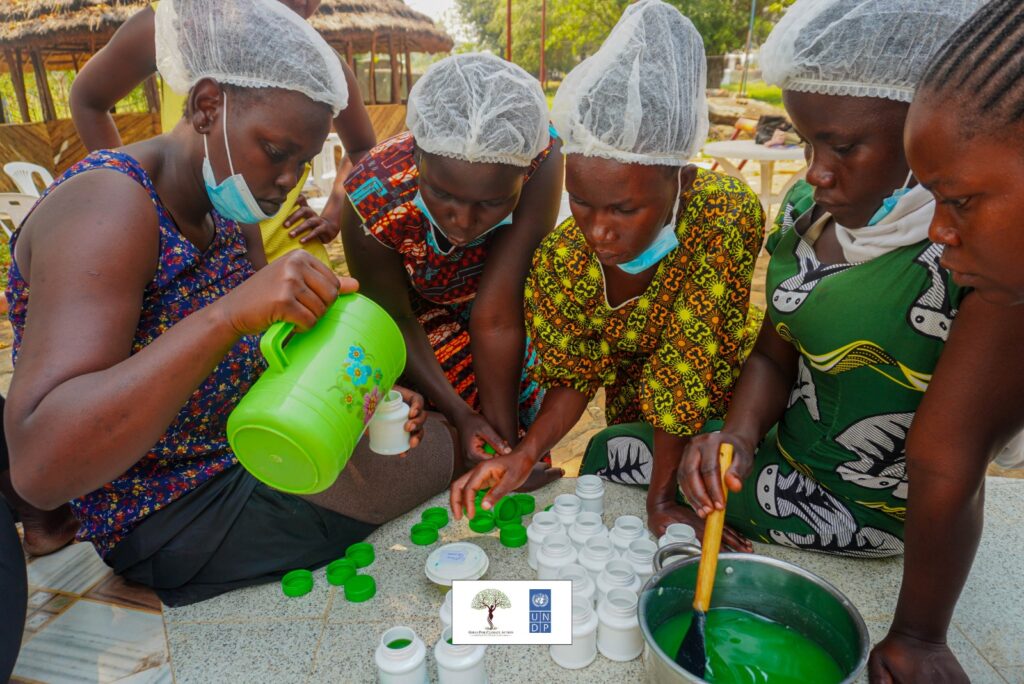
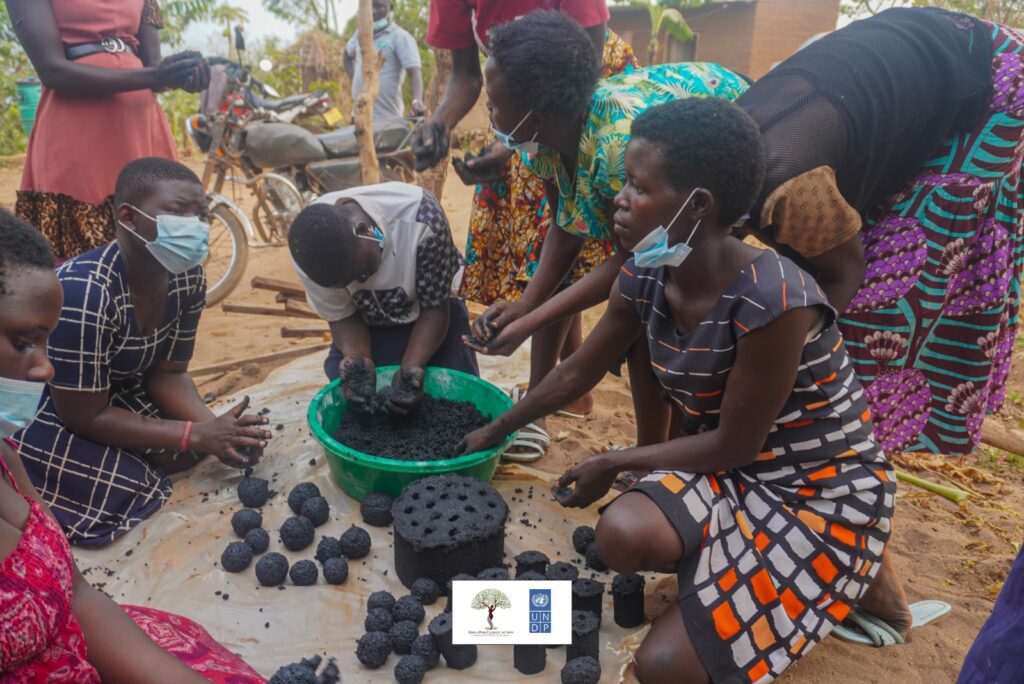
G4CA’s work in Nebbi, Kasese and Gulu demonstrates that young women can be extraordinary leaders of climate action when they are given the skills, the platforms, and the safety to lead. The green enterprises they are building, the communities they are organizing, and the climate solutions they are designing deserve sustained investment.
But that investment must be whole. It must account for the full reality of the young women at its centre. Safety, health, dignity and access to care are not soft add-ons. They are the foundation on which meaningful, lasting climate resilience is built.
If your climate investment is not asking ‘are the women in this programme safe?’ — it is not asking enough.
We invite climate funders, policy partners and programme designers to engage with Girls for Climate Action on what integrated, feminist climate finance can look like in practice. Reach out. Visit the field. Listen to the young women who are already leading.
| Girls for Climate Action (G4CA) | Supported by UNDP Spotlight Initiative
Sources: UNAIDS 2024 Global AIDS Update; Spotlight Initiative 2025 Issue Brief on Climate & VAWG; WHO Report on Violence and Health; Uganda GBV Rapid Response Brief