PROGAMMES

FOCUS AREAS

Climate Education. Climate Resilience and livehoods. Climate Leadership and advocacy.

Climate Education & the HerClimate Innovation Challenge.

Children in our communities already live with climate change. They walk further for water than their mothers did. They lose school days to floods. They watch a river they are told is theirs turn a colour it should not be. What they are rarely given is the language for it.

Without that language, the crisis gets explained as bad luck, as weather, or as the price of development. With it, they can name what is happening, ask who is responsible, and see that something can be done — by them, where they are, now.

We also teach because of who is in the room. Girls are the first to be pulled out of school when the harvest fails and the first to be sent for water when the well dries. If climate education waits until university, it will reach the fewest of the girls who need it most.

Our practical curriculum

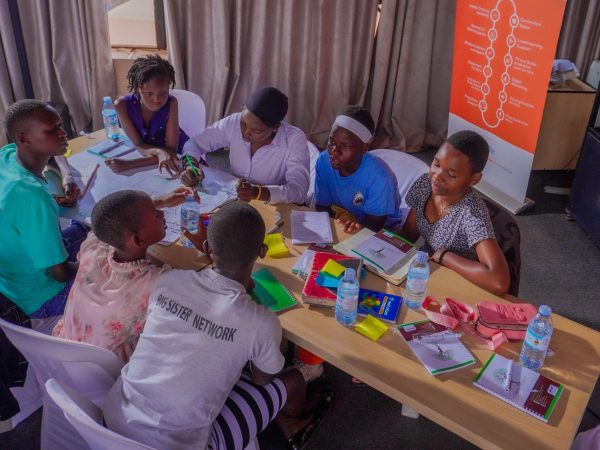
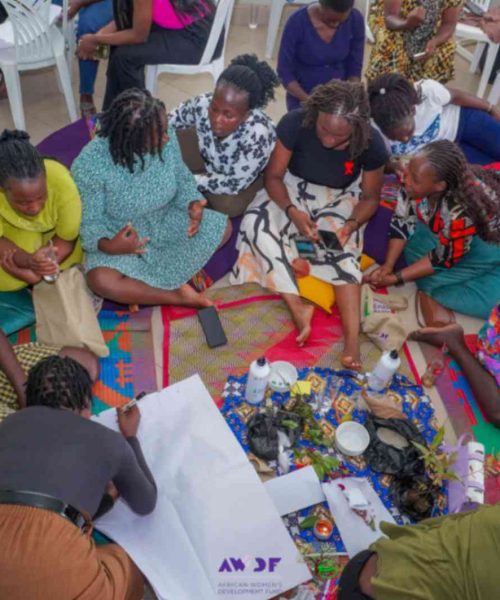
The programme runs in both primary and secondary schools, following a structured, modular curriculum for children aged 7 to 18. We do not lecture. We break climate science down into forms that land: audio-visual material, discussion, and experiential work pupils do with their own hands.

Each cycle ends with pupils presenting their own eco-innovations — their ideas for their school and community, defended in front of their peers.

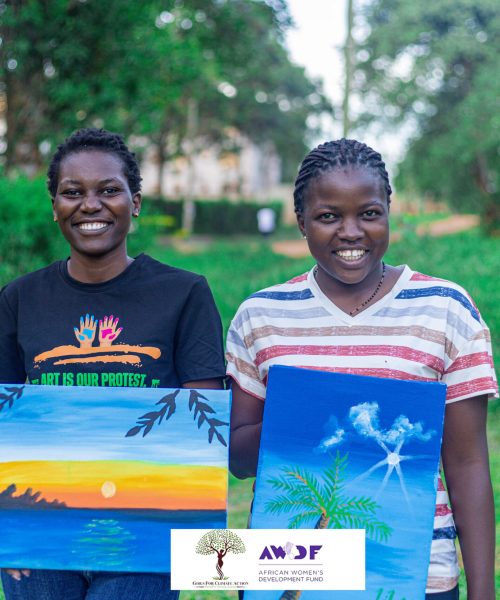
Girls are not just victims, they are innovators.

The HerClimateInnovation (The Seed, Stem, Soar) challenge brings together girls in secondary schools to contribute to climate solutions, climate-tech and science.

Schools reached
0 +
Pupils taught
0 +
Teachers trained
0 +
Trees grown by pupils
0 K+

Climate Resilience

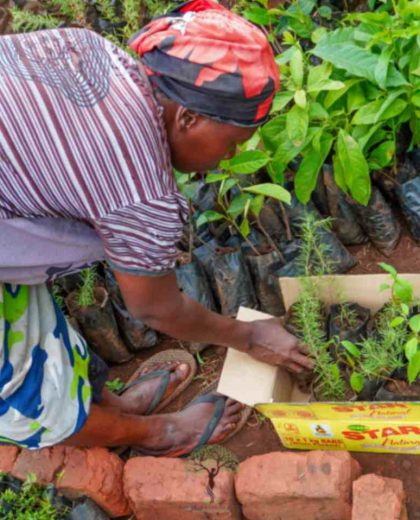
We work alongside smallholder farmers, women’s groups and young entrepreneurs to turn local and indigenous knowledge into practical, income-generating businesses through agro-ecology agroforestry and green enterprise development.

Green Sisters engaged
0
Smallhold Farmers
0
Green Businesss Started
0
Youth engaged in Skilling
0
Agroforestry Efforts & Kitchen Gardens
0 +
DSC09340

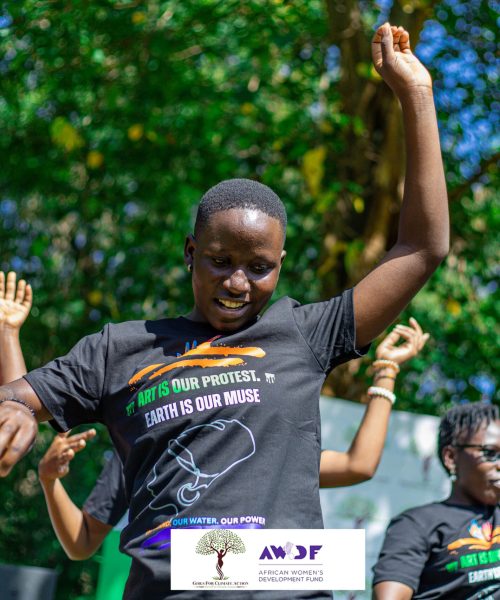
Community based green sisters shifting narratives

Youth for green skills trainings across the country

jpeg-optimizer_DSC09337

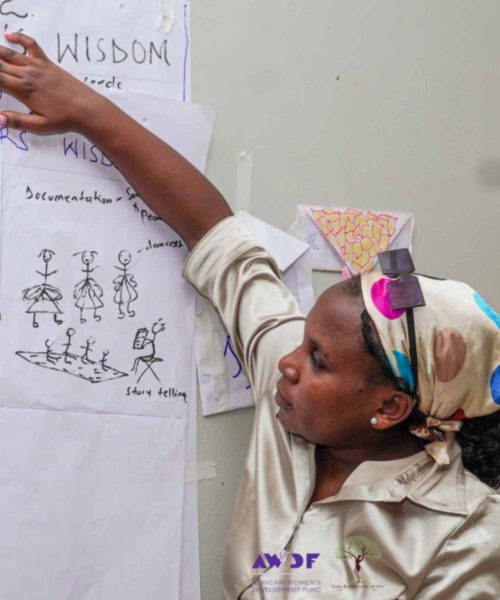
Community dialogues on Land, Water & Natural Resource Governance

Climate Leadership & Evidence-Based Advocacy

Young women and girls in rural and marginalised communities carry the sharpest impacts of climate change and are excluded from the rooms where the response is decided — locally, nationally and internationally. We have limited access to the control and management of natural resources, even though we are the custodians of the environment in practice. Exclusion is not an oversight. It is a design that has held for a long time, and it takes organising to break.

The Climate Corps Fellowship

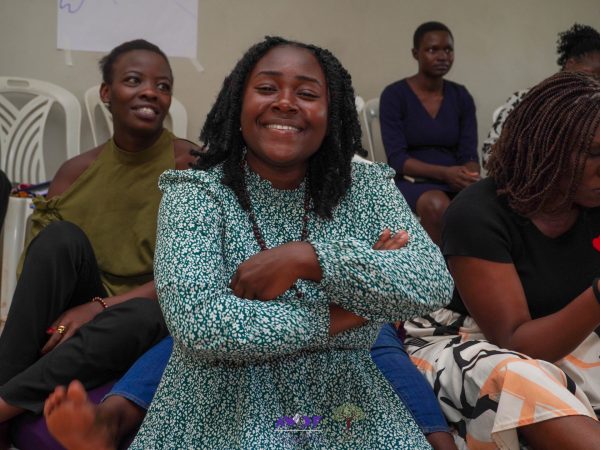
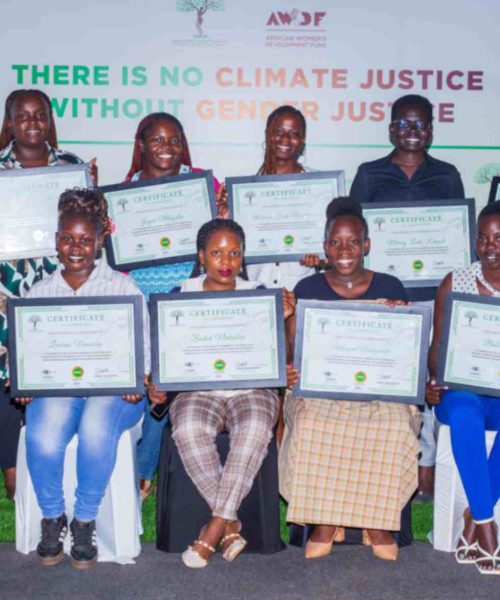
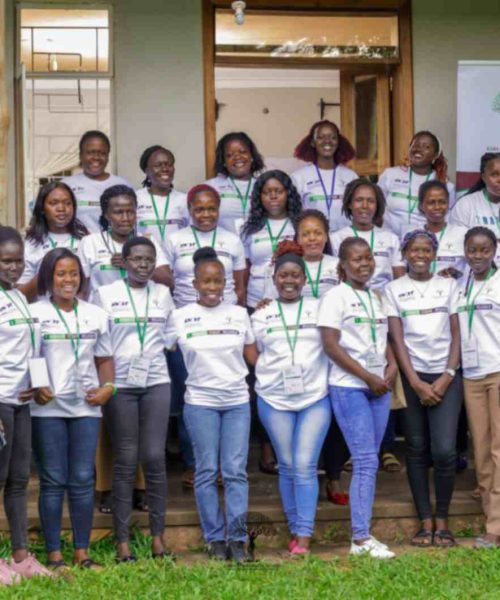
Every year we run the Climate Corps Fellowship: a six-month programme strengthening the capacity of young women and girls in all their diversity in climate advocacy, activism, policy analysis and policy reform at local and national level. Fellows leave able to lead climate action in their own communities and to represent those communities nationally and internationally.

Before they graduate, fellows launch an eco-feminist manifesto. Access the manifesto to hear the demands of young women and girls across the continent.

Our Campaigns

Toa Uchafu

End Industrial Water Pollution

Holding manufacturing companies accountable for polluting the Nile and the streams that communities in Njeru, Naminya and Wakisi depend on — led by the people living with the discharge.

Restore Butamira

Butamira Forest Protection

Pushing back against encroaching sugarcane growers and sugar companies to restore and defend the Butamira forest reserve.

Nyamwamba

Mining & Water Justice in Kasese

Challenging copper mining in Kasese that is contaminating water sources downstream of the River Nyamwamba, and organising for better conditions for people displaced by the river’s flooding.

Seats at the Table

Gender-transformative local governance

Getting young women onto local environmental committees that were historically all-male — and backing them once they are there with training, policy translation and movement support.